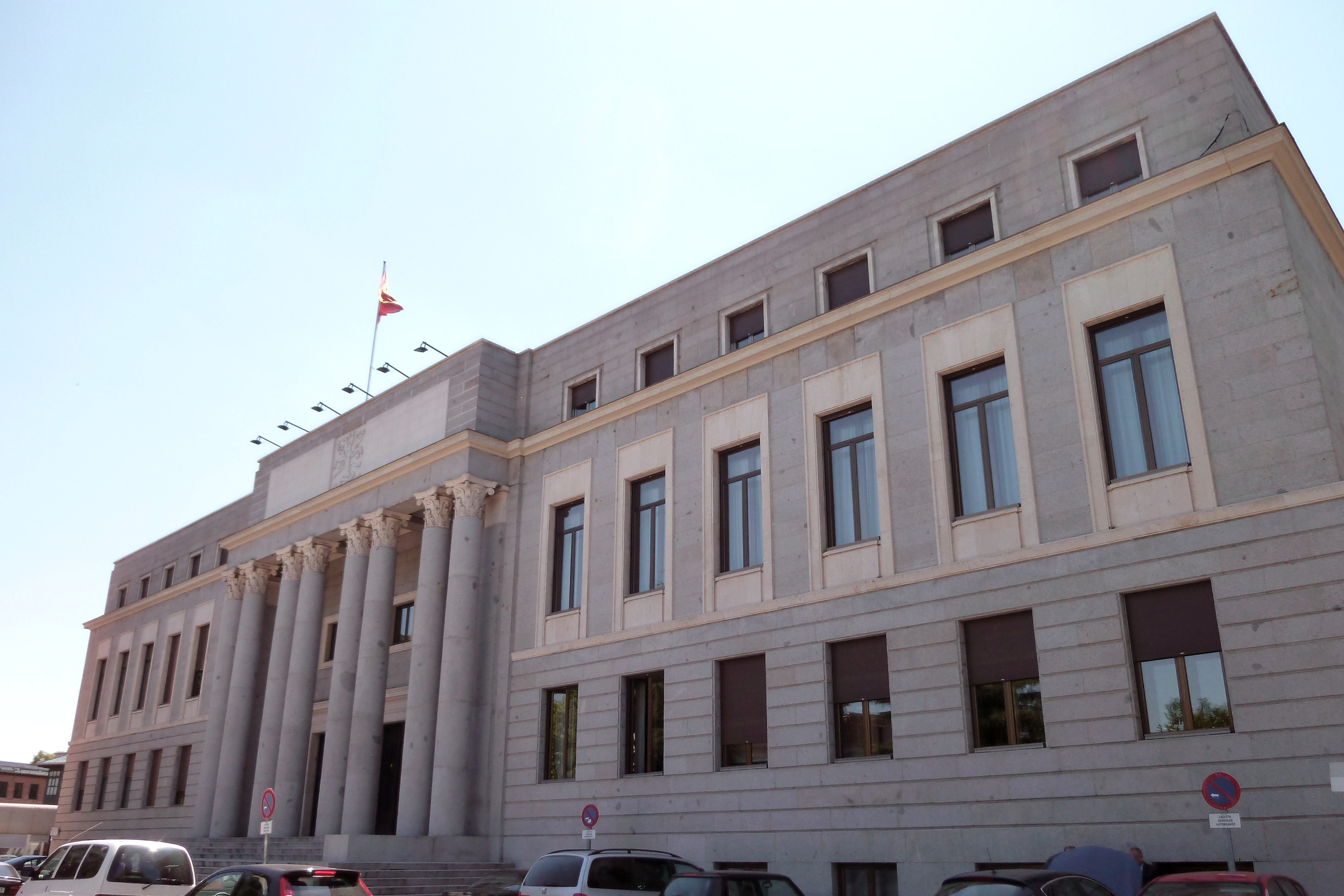
The Spanish National Research Council (CSIC) – a central institution of the Ministry of Science – has awarded Peter Zoller a visiting professorship, known as a JAE Chair. As part of this collaboration, the theoretical physicist will work with colleagues at the CSIC-Instituto De Física Fundamental on a project focusing on quantum technologies.
The highly endowed CSIC JAE Chairs program promotes close collaboration between an internationally renowned researcher and one of the CSIC's research institutes or national centers. The aim is to attract world-leading researchers to Spain who will promote the institution's excellence and scientific achievement. With funding of up to €600,000, the research project is intended to have a lasting impact on Spanish science and act as a catalyst for new and disruptive research.
Exploring quantum technologies
“This project gives us the opportunity to further strengthen the ties between Innsbruck and Madrid,” says Peter Zoller. “With the approved funding, we can finance exchanges between colleagues from theory and experiment, thereby strengthening our collaboration.” The CSIC is also delighted about the collaboration: “Peter Zoller is a globally recognized figure in the field of quantum optics and quantum information with an exceptional scientific career,” writes the CSIC. “He is a key figure in the development of international institutions and consortia, including the European Quantum Flagship.”
The Quantum Optics for Quantum Technologies (QOQUT) project is coordinated by Juan José García Ripoll from the CSIC's Instituto De Física Fundamental and stands out for its exceptional scientific quality and clear potential for application in the field of quantum technologies. “It combines excellence, innovation, feasibility, and impact in an outstanding way,” according to the CSIC.
Visiting professorships aim to strengthen international cooperation
JAE Chair holders spend at least two months per year at the host institute and, together with a CSIC researcher, lead the project, which also includes co-supervising a doctoral thesis. To this end, the CSIC research group and funds for carrying out the research project are made available to them.
Funding is available for visits and stays, as well as for the regular organization of seminars, workshops, and a final conference. These measures are intended to present the current state of science in the field and disseminate the results achieved within the project. All this with the aim of establishing long-term international cooperation and establishing new and disruptive areas of focus at the CSIC. The funding program was established with the aim of positioning the CSIC as one of the most attractive institutions for the development of science in Europe.